The Price is Right?
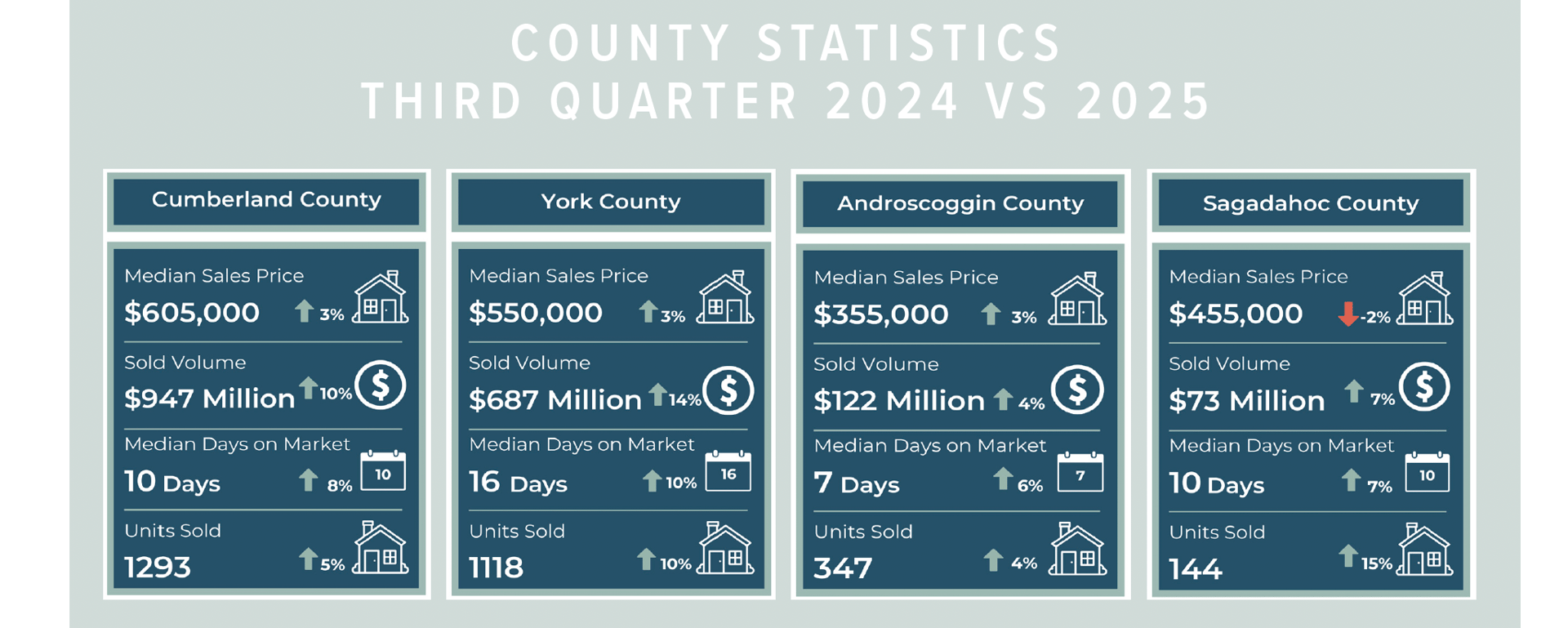
Accurate pricing has not been this easy—or this essential—in years. Compared to the auction-like atmosphere of the pandemic market, houses are now selling close to list price. If the price is right, they sell quickly; if overpriced, they take longer to sell and often close for less as they chase the market down.
This pattern shows up clearly in the Portland market for the month of September, where there were 58 sales. The median list price was $642,500, and the median sold price was $640,000. In September 2021, the median list price was $430,000, the median sales price was $442,000, and there were 97 sales. Median prices have jumped by $200,000 in three years, while days on market have risen modestly from 7 to 10.
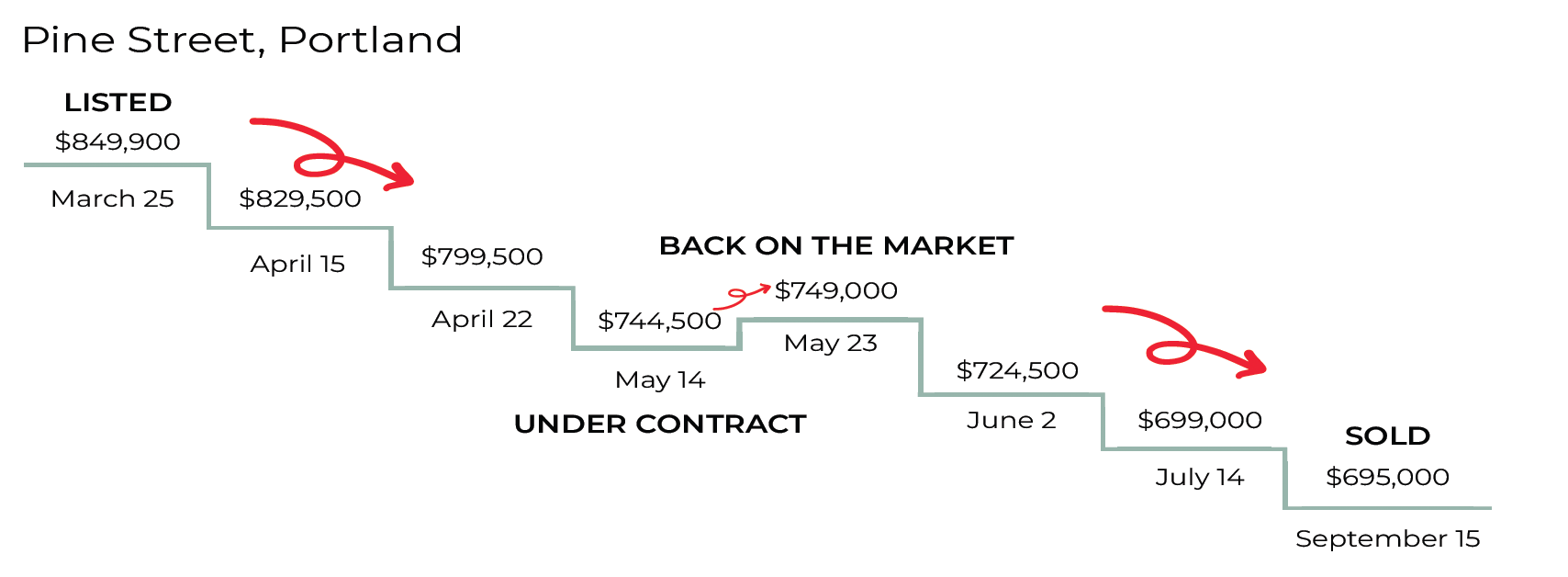
The price jump is, of course, the headline story. But drilling down, the hidden story is the danger of pricing too high. Ten Portland properties that sold in September had price reductions before selling. Four of those were listed under $600,000, adjusted their prices quickly, and sold for a median of 11.23% less than the original price. The other six, priced between $850,000 and $1.1 million, took a thrashing in the market—selling only after months of “price improvements” and at an average of 17.6% below the original price. One property, for example, was listed at $849,000 in March and, after four open houses, six price reductions, and one failed contract, finally sold in September for $695,000. Expertise in pricing is essential to maximize your return and minimize your stress.
The New Math of Housing Affordability
“Rent Eats First” is a phrase recently used by Christopher Herbert of Harvard to describe the growing cost burden for renters—and one statistic he shared really stood out. Since 1960—and adjusting for inflation—the median household income has risen by 14%, while median rents have increased by 73%.
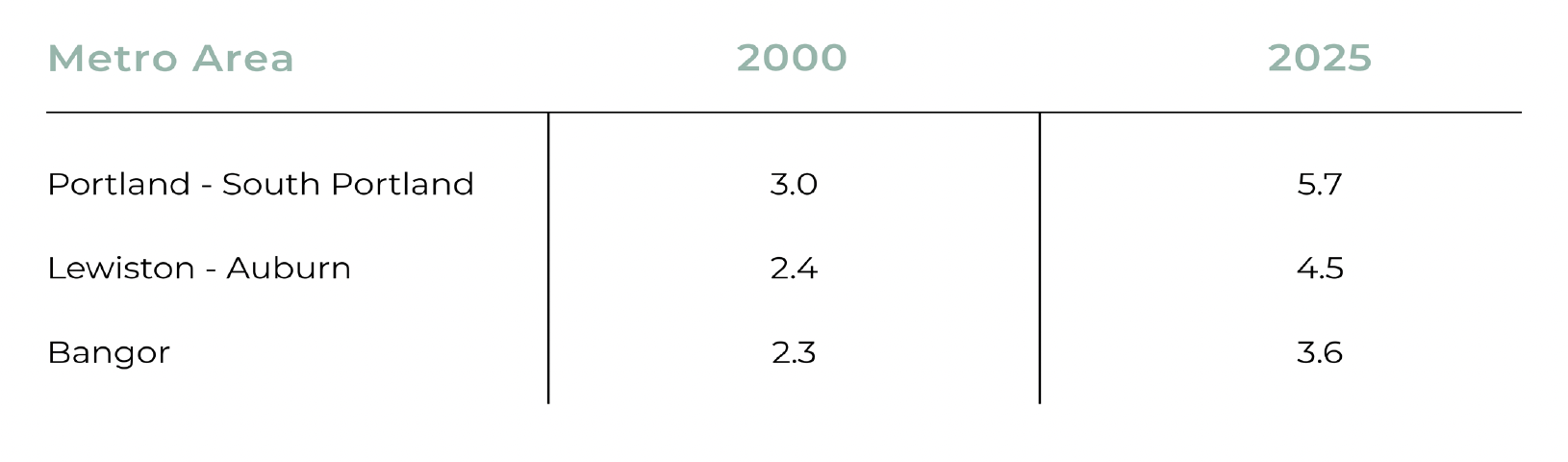
However, the cost of homeownership has also accelerated. Remember when your parents told you a house should cost no more than three times your annual income? Now, it’s hard to imagine that being true. In Maine, you’d have to live in Bangor to come close to that ratio. Look at how it has changed across Maine’s three major metro areas over the past 25 years:
While the cost of purchasing has outpaced incomes, the ongoing cost of ownership—rising taxes and insurance in particular—is also a growing concern. Your house is an appreciating asset, but you need to protect and enhance its value to maximize your return. Staying current with maintenance and making upgrades buyers appreciate is far better than scrambling when it’s time to sell.